

 Pilar Ratcliffe asked 1 month ago
A roof project can feel time-sensitive after wind weather, yet smart forethought turns stress into control. Our focus here is risk-aware decision-making that prevents leaks and extends life without runaway costs. You’ll see how requirements, components, and timing shape results; we’ll also cover checks that catch hidden issues before they spread. Think of this as a field-tested roadmap rather than guesswork. If storms just rolled through, the right steps help you pick crews, read bids, and stage tasks with confidence. We’ll ground ideas in real examples, from residential tear-offs to small office tune-ups. Too many failures start with thin scoping, so we’ll show how to concentrate quality and safety guards early. By the end, you’ll know which questions to ask, what red flags to watch, and how to time work for best results.
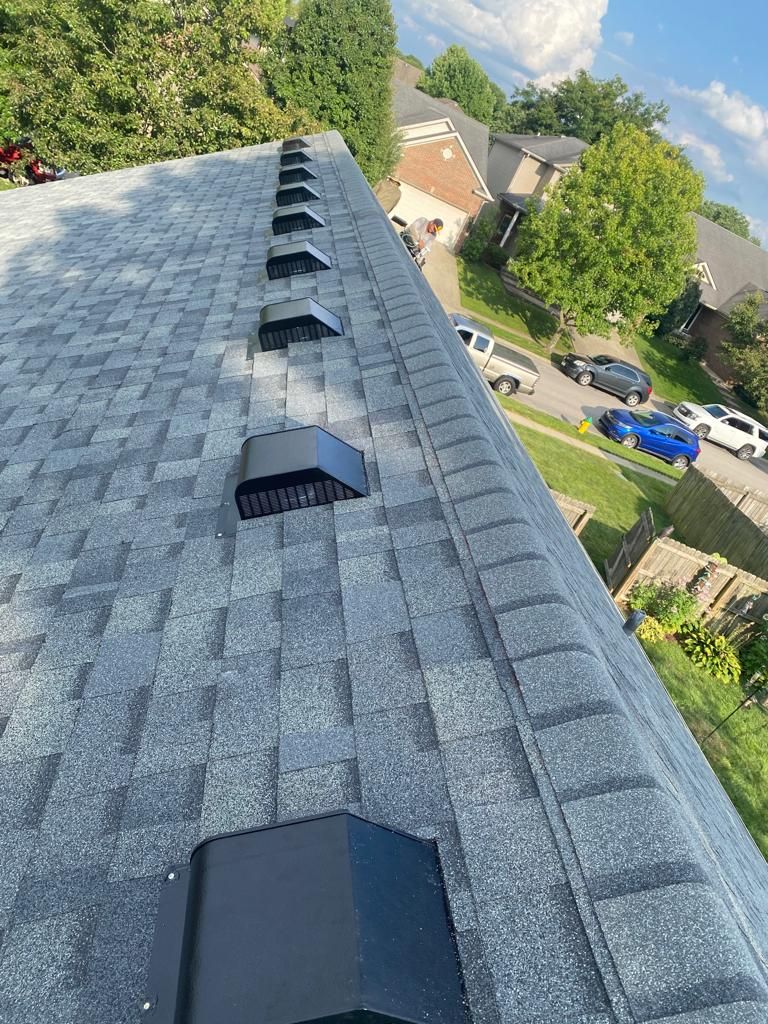
Upfront planning for durable roofs that last today
Start by listing roof areas, penetrations, and drainage paths, then tag past repairs and soft spots. Plan a brief site walk with photos, and include roofing contractor Albany to keep all parties aligned. Create two scopes: a must-do leak stop, and a value package with ice barrier, flashing, and venting tweaks. This dual view limits surprise change orders. Take a cape-style home, mark chimney step flashing, valley metal, and skylight curbs, then log attic vent balance. Clear diagrams beat vague line items every time.
Translate the scope into counted line items with quantities, locations, and notes on tie-ins. Break out tear-off, deck repairs, ice shield, field shingles, and drip trims with separate unit prices. Block off weather windows and neighbor constraints; for a duplex, coordinate alley access and quiet hours. Shared schedules reduce friction with crews and neighbors. When you show the plan to bidders, they price more tightly and flag unknowns you might have missed.
Smart materials choices for storm-ready assemblies year-round
Start with the local weather, roof pitch, and exposure to guide membrane weight, nails/screws, and eaves barrier. Build a short compare table in your notes, and place roofing contractor Albany so you can track quotes side by side. Then ask for two alternates: heavier shingle with longer warranty, and lighter system with leaner cost but added underlayment. This frames a real trade-off. On a low-slope porch, for instance, a modified bitumen cap over base sheet beats shingles near gutters, while ridge vents need baffles to work.
Consider flashing alloys too: aluminum near the coast pits faster than galvanized or SS around salty spray. Ventilation matters as much as shingles, so count soffit slots against ridge vent output. In a frigid zone, run ice shield 24 inches past the warm wall line and up valleys. When ceilings trap heat, bump intake or add a variable fan with humidity control. A local pro can lay out A/B specs fast.
Sequenced phasing and crew scheduling to shrink downtime
Line up tasks in clean phases: protection, tear-off, deck fixes, dry-in, field, details, and final closeout. Share a day-by-day outline with time buffers, and include roofing contractor Albany to lock in deliveries and dumpsters. Assign weather pivots: pause tear-off after lunch if cells pop up, and keep tarps, plastics, and weights staged. A clear rule saves ceilings when clouds roll in. On a small retail shop, schedule tear-off before opening and button-up by dusk to keep merchants happy.
Offset crews so no trade trips the next—framer touch-ups before dry-in, then gutter crew after punchlist signoff. Set a two-call protocol: morning safety huddle, afternoon wrap with photos. Note noise windows and school-bus times on residential streets. These small signals prevent neighbor complaints. When deliveries slide, swap to flashing prep or shop cuts so the clock keeps paying you back.
Quality controls and hazard checks that protect every install
Build a tight checklist for each phase; shoot photos at start, mid, and finish. Add a five-minute mid-morning pause for review, and place Roofing Contractor Albany so notes and pics stay searchable. Find misfires early with a colored chalk swipe along rows; check stagger offsets and course with a gauge. These micro-checks stop leaks later. On chimneys, confirm step pieces overlap a full two inches and counterflashing is cut clean into the brick.
Run edge-risk reviews too: ladder tie-offs, hot-day heat breaks, and glove swaps when blades come out. Test suspect deck zones with a screw and backfill with plugs before dry-in. Write down each hidden repair, then price agreed extras at posted unit rates. Documentation turns disputes into sign-offs. If wind kicks up, cap bundles and pull unused sheets before they lift, keeping yards and parking safe.
Practical maintenance steps for high-value roofing over decades
Set a spring and after-storm routine: clear gutters, flush valleys, and check sealant at penetrations. Keep a one-page log on your fridge or phone, and add roofing contractor Albany so photos line up with dates. Tag small stains on ceilings, then look in the attic for drips after rain. Often a simple flashing swap beats a full tear-off. On rental units, snap seasonal pics and send residents a quick how-to so they report issues faster.
Schedule two-year pro checks that cover nail pops, ridge caps, and exposed sealant on curbs. Ask for a short photo set and a punch list by area. Swap brittle boots before they crack and wick water inside. A five-dollar boot can dodge a five-thousand-dollar ceiling. Where branches nap on shingles, prune back to cut moss loads and keep granules intact longer.
Conclusion: Start with a clear scope, choose materials that answer your climate, and schedule crews in phases that respect weather windows. Layer in simple quality checks, and you’ll shrink risks before they grow teeth. Keep a light maintenance rhythm, and most roofs yield longer service with fewer surprises. With steady steps and practical tools, you make stronger choices and protect your home for years.
