Adrianne Bethea asked 1 month ago
When weather swings hard, comfort and uptime depend on smart choices and clear steps. Many owners ask when to schedule AC installation, which parts to price first, and how to balance speed against quality. You’ll get a flexible framework you can reuse across properties, from scoping through handoff. We’ll focus on shoulder-season planning as the primary angle, because loads and parts availability shift fast across the year. Wait for a “perfect” week, and you may lose pricing and labor to a rush. You’ll see how to line up materials, sequence crews, cut risk, and protect your budget with measurable steps. We’ll also flag common pitfalls and the fixes that actually work. By the end, you’ll know which questions to ask, which dates to circle, and how to keep comfort steady while work gets done.
Scope realistic project goals and nail seasonal windows early
Define what “done right” means before you call vendors, and time your work for shoulder seasons. You can review timelines HVAC services to align with quieter weeks at your site. List spaces by priority, note hot zones, and set acceptable downtime by area. Create a one-page scope with the square footage, use type, and desired indoor conditions. State if after-hours work is required, and add a simple site map. A crisp, shared scope reduces costly assumptions.
Get granular about constraints that weather drives. For a retail shop, a heat wave can spike traffic and stall ceiling work, while a school benefits from breaks to schedule disruptive tasks. Block a two-week window, then add buffers for inspection and shipping variance. If critical rooms can’t go down, plan temporary cooling or fans. Rushing schedules invites rework and callbacks.
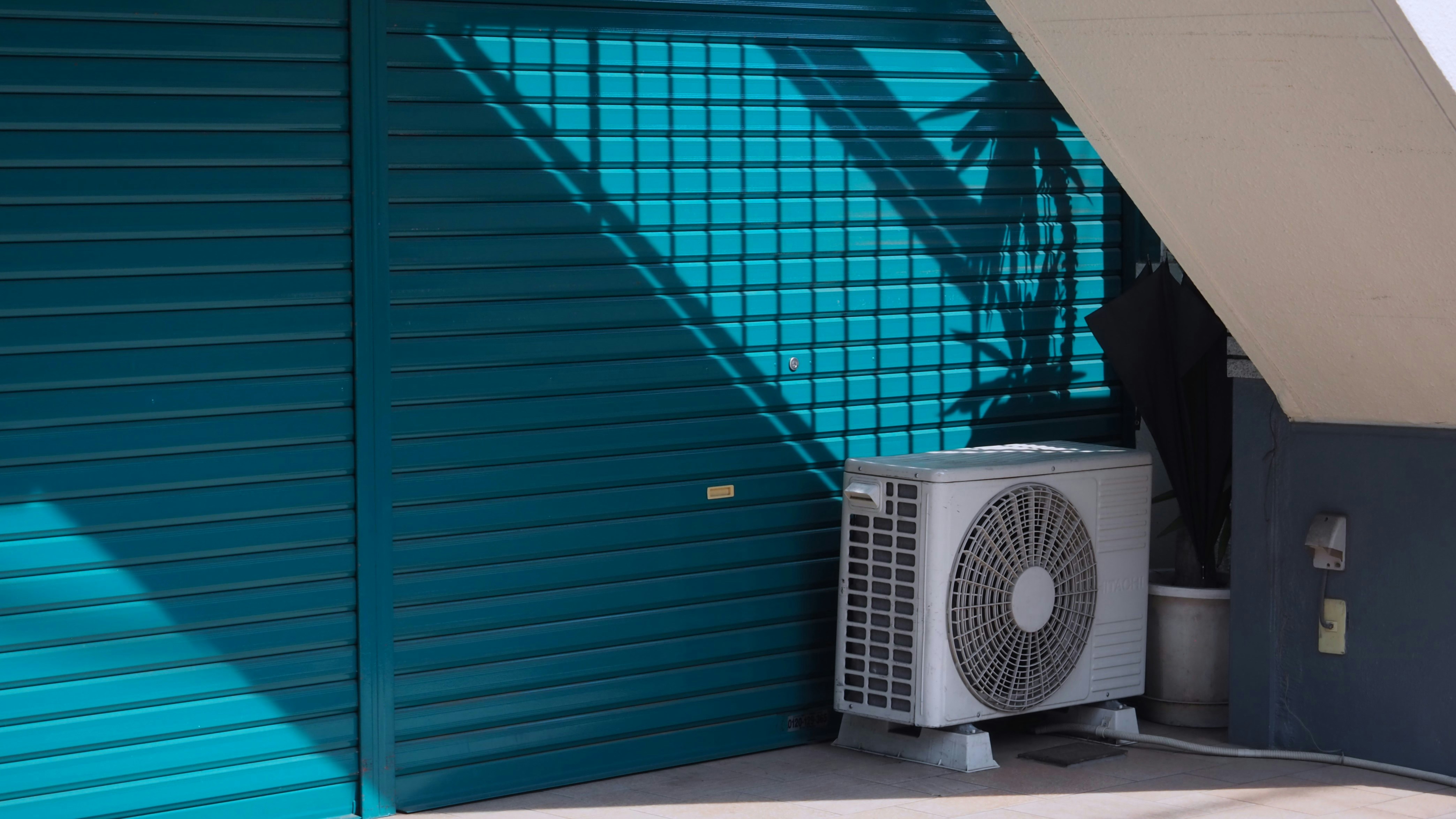
Choose high-value components, verified inputs, and reliable substitutions
Start with a load calculation that reflects real use, not rules of thumb. Build a short bill of materials, and insert alternates for coils, filters, and controls so a delay doesn’t halt progress. You can compare specs HVAC services to confirm airflow, static pressure, and efficiency targets. Note model numbers, voltages, clearances, and curb sizes on one sheet. One page prevents mismatched parts and last-minute scrambles.
For a light commercial rooftop swap, line up curb adapters, vibration pads, and UV-rated sealants. Residential crews might pre-stage line set covers, disconnects, and low-leak fittings. Keep electronics dry and boxed, and label pallets by zone. Don’t wait for a part to slip; approve backups in writing. Cut corners on materials, and you’ll chase faults later.
Orchestrate tight workflows, staggered crews, and transparent daily milestones
Break the job into small chunks you can finish within a day: demo, set, commission. Share a three-line schedule by area so occupants know when to expect noise or brief shutoffs. You can post updates HVAC services to keep teams and tenants aligned without endless calls. Stage dumpsters and lifts the night before, then double-check permits at first light. Short cycles expose delays quickly.
A duplex example: Day 1 replaces attic air handlers, Day 2 sets condensers, Day 3 covers line sets and tunes. Every turnover includes documentation tenants can understand. Light commercial sites may run swing shifts to avoid lobby noise. Quiet communication is the cheapest project control. Measure progress by what’s truly commissioned, not by hours spent.
Verify airflow, manage issues, and lock in quality with evidence
Treat testing like a deliverable, not a favor. Ask for static pressure, supply temps, and delta-T on paper for each zone, plus photos of seals and slope. You can log readings HVAC services so trends show up before comfort complaints do. Require factory start-up on new gear and confirm warranties activate. If metrics move, you can catch it early.
Risk lives in small gaps: missed traps, kinks, or backed-out lugs. In a restaurant, grease and steam can corrode connections unless protected. Include drip legs, UV shields, and line set insulation that won’t crumble. A fresh set of eyes catches what the first missed. Proof beats promises every single time.
Balance cost, lifecycle value, and practical trade-offs that pay off
Price the whole path, not just the sticker gear cost. Include freight, lifts, patching, permits, and commissioning time so the number is real. You can model options HVAC services to see energy, maintenance, and disruption over five years. Chasing the absolute lowest price often costs more later. Know where to spend and where to hold.
For a bungalow upgrade, a smaller, efficient system with proper duct sealing can beat a bigger unit on comfort and bills. A multipurpose studio might choose variable-speed fans for quiet hours, then use timers to cap loads. Tiny omissions turn into repeat truck rolls. Nothing wrecks trust like mystery fees at the end. Clarity keeps cash and timelines on track.
Plan upkeep, track runtime, and extend system life with simple habits
Maintenance begins the day you flip the switch. Capture model and serials, filter sizes, belt types, and breaker maps in a shared note. You can schedule reminders HVAC services so tasks don’t drift past seasonal peaks. Train on filter swaps and control basics to prevent avoidable calls. Simple routines protect comfort and warranties.
In a small office, monthly filter checks and quarterly coil rinses hold static pressure in range. For a rental, note turn dates and coordinate quick checks between tenants. Log noises, smells, and error codes the moment they appear. Store spare filters and belts on-site where anyone can find them. Documentation is quiet insurance you actually use.

In short, early scoping, solid inputs, tight workflows, evidence-based quality, and steady upkeep form a reliable path to comfort and value. Let the season work for you, not against you. Choose the right parts, prove performance with numbers, and keep the routine simple enough to do. Follow these steps, and projects finish clean while systems last.