

 Linette Bourassa asked 5 days ago
A cold front can expose weak spots in any heating system, so planning early saves money and stress. When you weigh timelines, parts, and crew availability, little moves can tilt the job the right way. Homeowners often ask how to balance speed, safety, and comfort without burning the budget. Use this proven outline that keeps quality high while keeping downtime short. We’ll map out scoping, parts planning, and workflow so you can spot gaps before they turn into pricey callbacks. Techs appreciate clear scope, and you want heat back fast. Together, those goals align when you drive a steady plan. Simply put, you’ll see how to confirm needs, queue the right components, and stage the work with smooth transitions. We’ll highlight common risks and budget trade-offs to keep surprises rare. Take what helps and adjust for your space and system.
Scope The Job Clearly To Avoid Rework
Start with a walk-through that verifies symptoms, age, and recent service notes; log findings in plain terms. Compare notes with heater repair galveston so every room, vent, and control is on your radar. List must-haves like target temperatures, hours of access, and noise limits for a light commercial suite or a two-story home. Make a clear checkpoint before ordering parts. This upfront clarity prevents scope creep. Time savings follow when techs know exactly what to test and why.
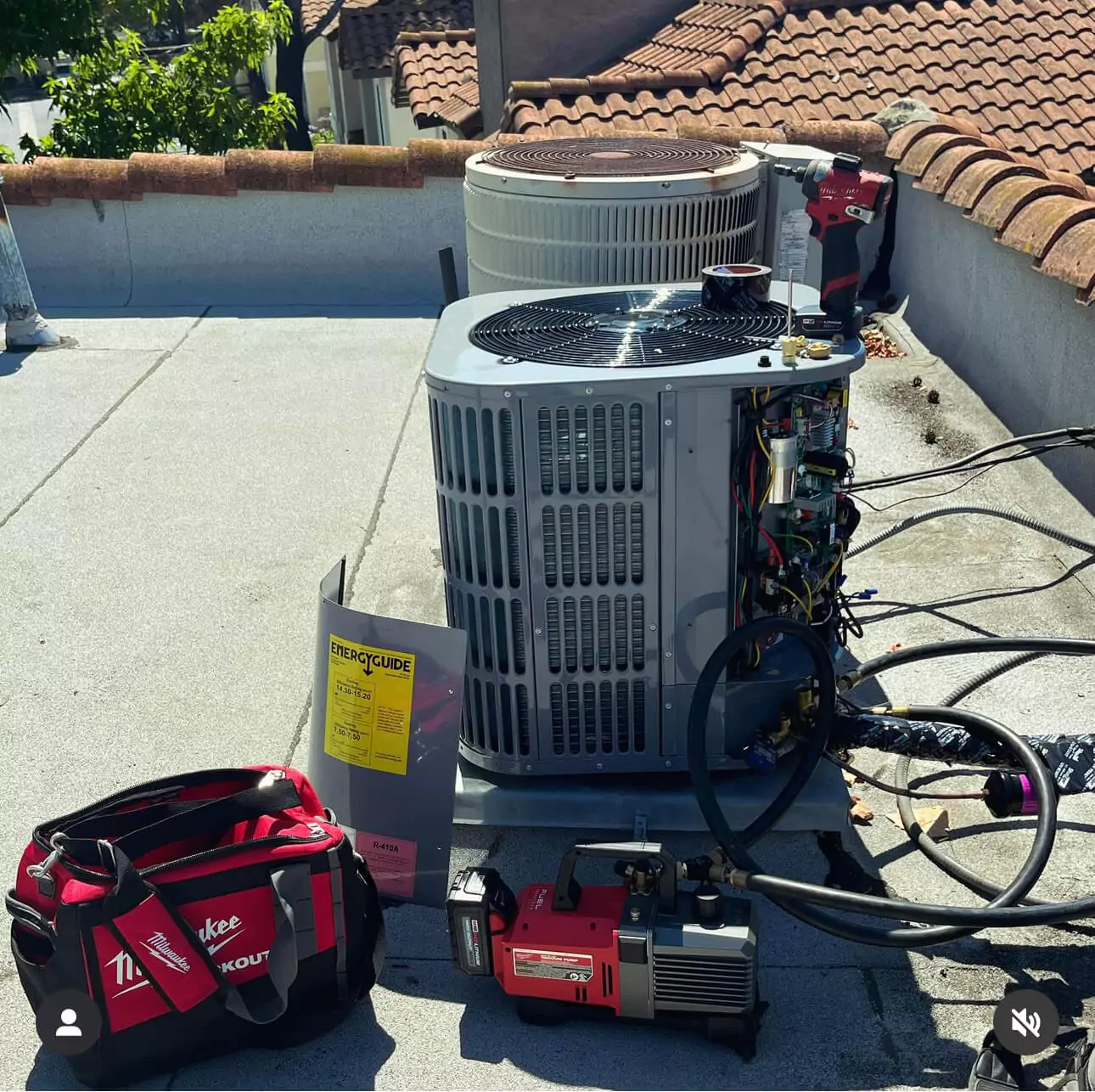
Document the unit’s model, serial, and fuel type in a shared note so nobody guesses on site. Snap label photos and breaker panels to avoid misreads under low light. Flag limits like crawlspace clearance, ladder needs, or weekend quiet hours; field reality matters more than assumptions. When residents need quiet, record nap-friendly windows. Those facts shape timing and staffing. Let them set the plan before tools roll.
Parts And Materials You’ll Need Without Guesswork
Start by checking compatibility on heat exchangers, igniters, and control boards for the exact model; guesswork bites with gas components. Align the purchase list with heater repair galveston so filters, gaskets, and sealants meet the unit’s specs. Say: a townhouse with a tight closet may need slim condensate traps and bendable flue sections. Choose UL-listed conductors sized for load and distance. If tolerances are tight, double up on fragile components. Spare stock cuts delays during peak season.
Match sealants to temperature and fuel; wrong chemistry fails under heat cycles. Stock nitrile gloves and non-contact leak detectors before you test gas unions. Skip bargain filters that shed fibers into blower housings; stick with MERV-rated per manufacturer limits. In older rentals, keep adapter kits handy to meet odd vent runs. Choose residue-free tape for thermostat masking on repaints. That prep trims return trips and raises first-pass success.
Schedule The Workstream For Minimal Downtime
Build a tight sequence: diagnosis, parts pick-up, safety lockout, component swap, calibration, and burn-in test. Lock the timeline against morning school routines by inserting buffer blocks with heater repair galveston for access, parking, and pet gates. In a small office, target off-peak hours to protect client appointments. Stage parallel tasks like pre-assembling brackets while another tech retrieves parts. Buffers absorb surprises, helping you finish on time when something runs long.
Confirm tool sets the day before: manometer, multimeter, leak spray, and flue analyzer in a labeled tote. Set roles early so the lead handles tests while the helper sets panels and fasteners. If a storm’s coming, flip outdoor tasks to first and tarp gear between moves. Give a short heads-up so residents crate pets and clear the hallway. Tidy entry paths save minutes and reduce trip risks. That rhythm protects flow and safeguards timing.
Verification Steps That Prevent Callbacks When It’s Cold
Run a baseline CO test at register and return, then log drift during a 15-minute burn-in. While the flame stabilizes, align readings with heater repair galveston and snap photos of gauge faces for your file. If limit switches bounce, clean dust off the heat exchanger face and confirm flow at each supply. Check inducer amps against nameplate ranges. Only then recalibrate the thermostat and secure service panels. That order traps gremlins before they duck out.
Document gas shutoff tags, valve positions, and start-up notes in a shared folder. Label screws by panel to stop rattles later. If you see stains near the furnace base, check condensate slope and add a cleanout tee. In stacked flats, confirm smoke detector resets after testing to avoid unwanted alerts. Finish with a homeowner walk-through on filter changes and breaker locations. A quick walk-through now cuts late-night calls.
Budget Smarts And Trade-Offs That Last
Start with total cost of delay versus the price of parts; downtime is costly when heat is out. Weigh overnight shipping for one critical board against missed work and track it beside heater repair galveston in your notes. On a small condo, an OE-spec igniter may beat a bargain pick over three winters. Check failure history and warranty windows, not just sticker prices. Low bids echo later in callbacks.
Bundle tasks where sensible: thermostat upgrade during a service call, or damper tune with a blower clean. Ask for package pricing and calendar flexibility during shoulder seasons. If money’s tight, phase work: restore heat now, replace aging parts after tax refunds. Keep receipts in one folder to track rebates and warranties. Over a season, disciplined picks repay more than once. That’s how budgets flex without sacrificing safety.
Choosing The Right Team And Questions To Ask Before You Book
Look for fast response, clear scopes, and signs of clean work practices in photos and reviews. Ask if they service your model, keep spares on vans, and coordinate with heater repair galveston for emergency windows. Request insurance proof and how they document tests like CO and draft. Checklists beat memory every time. You want repeatable quality, not one-off fortune.
Call two references and ask about punctuality, dust control, and post-visit support. Check invoice clarity—line items help you compare quotes honestly. When shoe covers show up, that’s a quiet sign of respect for your floors. Set payment timing and warranty claims in writing. You’ll spot the pros fast when answers are crisp and consistent. Right fit reduces friction when time is short.
Across these steps, you now have a steady way to plan, source, schedule, verify, and budget for reliable heat. We touched on scoping, materials, coordinated timing, risk controls, and cost trade-offs so you can adapt them to any home or small office. Use hvac near me to cross-check availability against your dates, then ask focused questions to confirm fit. With a calm plan and clear checkpoints, you’ll restore comfort fast and keep it that way. Heat should feel simple, even when the work behind it is anything but.
